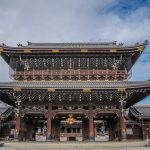

Introduction to Kyoto
Kyoto, the ancient capital of Japan, is a city that beautifully blends history, culture, and nature. Renowned for its stunning temples and meticulously maintained gardens, Kyoto offers a glimpse into Japan’s rich heritage. In this article, we will explore the enchanting cultural wonders of Kyoto, highlighting its iconic sites and hidden gems.
The Temples of Kyoto
Kyoto is home to over 1,600 Buddhist temples, each with its own unique charm and history. Here are some of the must-visit temples:
Kinkaku-ji (The Golden Pavilion)
Kinkaku-ji, also known as the Golden Pavilion, is one of Kyoto’s most iconic landmarks. This Zen Buddhist temple is covered in gold leaf, creating a stunning reflection in the surrounding pond.
- Location: Northern Kyoto
- Highlights: Beautiful gardens, serene atmosphere, and the shimmering gold façade.
- Best time to visit: Autumn for the vibrant foliage.
Kiyomizu-dera
Kiyomizu-dera, or the “Pure Water Temple,” is famous for its wooden stage that juts out over the hillside, offering breathtaking views of the cherry and maple trees below.
- Location: Eastern Kyoto
- Highlights: Historic architecture, divine water spring, and stunning views of the city.
- Best time to visit: Spring for cherry blossoms and autumn for colorful leaves.
Ginkaku-ji (The Silver Pavilion)
Though not actually covered in silver, Ginkaku-ji is celebrated for its understated elegance and beautiful gardens. It represents the beauty of simplicity in Japanese aesthetics.
- Location: Northern Kyoto
- Highlights: Zen gardens, moss-covered landscapes, and a tranquil atmosphere.
- Best time to visit: Year-round for its serene beauty.
The Gardens of Kyoto
In addition to its temples, Kyoto is renowned for its exquisite gardens that reflect the changing seasons and the beauty of nature. Here are some notable gardens:
Ryoan-ji
Ryoan-ji is famous for its rock garden, which consists of carefully arranged rocks and gravel. This Zen garden invites contemplation and meditation.
- Location: Northern Kyoto
- Highlights: Minimalist design, tranquil setting, and the art of Zen gardening.
- Best time to visit: Anytime for a peaceful experience.
Nanzen-ji
Nanzen-ji is a large temple complex that features beautiful gardens and a stunning aqueduct. The gardens here are designed to complement the temple’s architecture.
- Location: Eastern Kyoto
- Highlights: Scenic aqueduct, beautiful seasonal flowers, and historic buildings.
- Best time to visit: Spring and autumn for seasonal blossoms and foliage.
Hidden Gems in Kyoto
While the main attractions are certainly worth visiting, Kyoto also has many hidden gems that offer a more intimate experience of the city’s culture.
Philosopher’s Path
This picturesque walkway follows a cherry-tree-lined canal and is perfect for a leisurely stroll, especially during cherry blossom season.
- Length: Approximately 2 kilometers
- Highlights: Quaint cafes, art galleries, and seasonal beauty.
- Best time to visit: Spring for cherry blossoms and autumn for fall colors.
Arashiyama Bamboo Grove
The Arashiyama Bamboo Grove is a magical forest of towering bamboo stalks that sway gently in the wind. Walking through this grove feels like stepping into another world.
- Location: Arashiyama district
- Highlights: Unique atmosphere, stunning photography opportunities, and nearby attractions like the Iwatayama Monkey Park.
- Best time to visit: Early morning for fewer crowds.
Conclusion
Kyoto is a city that captivates the heart and soul of anyone who visits. Its temples and gardens not only showcase the beauty of Japan’s cultural heritage but also provide a serene escape from the hustle and bustle of modern life. Whether you’re wandering through the iconic sites or discovering hidden gems, Kyoto promises an unforgettable experience steeped in history and natural beauty.